The screen started to become unbonded. Started at the top and worked it’s way down until the whole boarder was unglued.
Carefully pried the screen off, being sure not to damage the flat flex cable at the bottom.
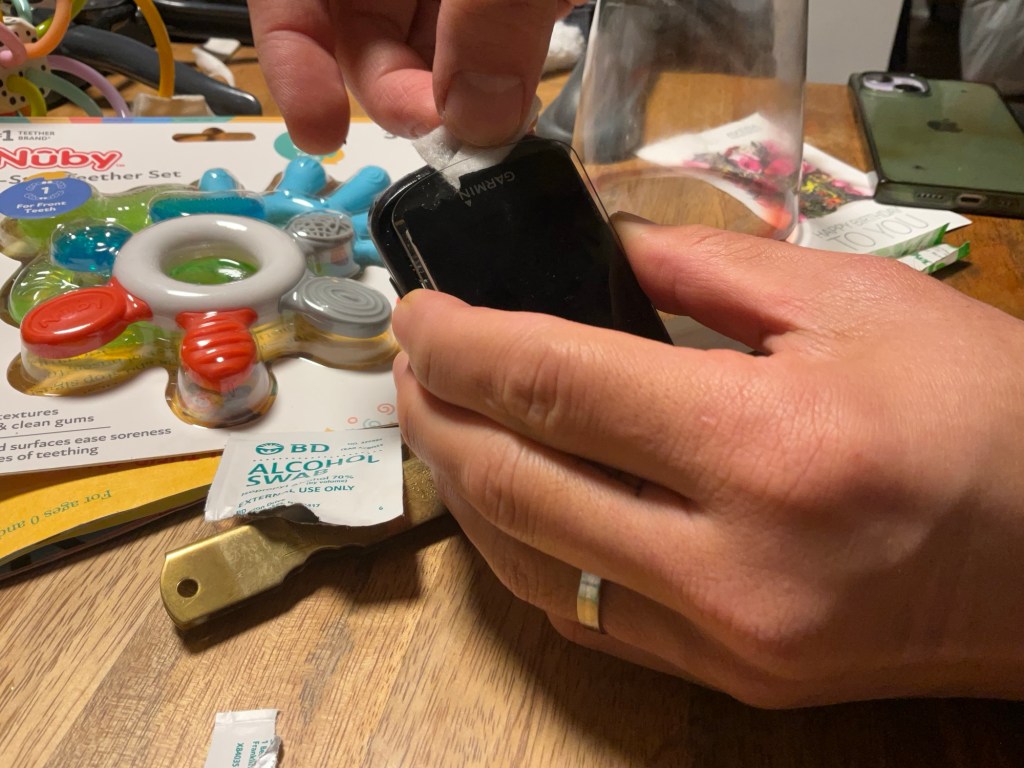
Cleaned the boarder and underside of screen with an alcohol sponge.
Prepared the epoxy and carefully applied a light bead on the inside ledge of the case. Then, after pressing the screen back in, wiped down any excess epoxy while it was still soft.
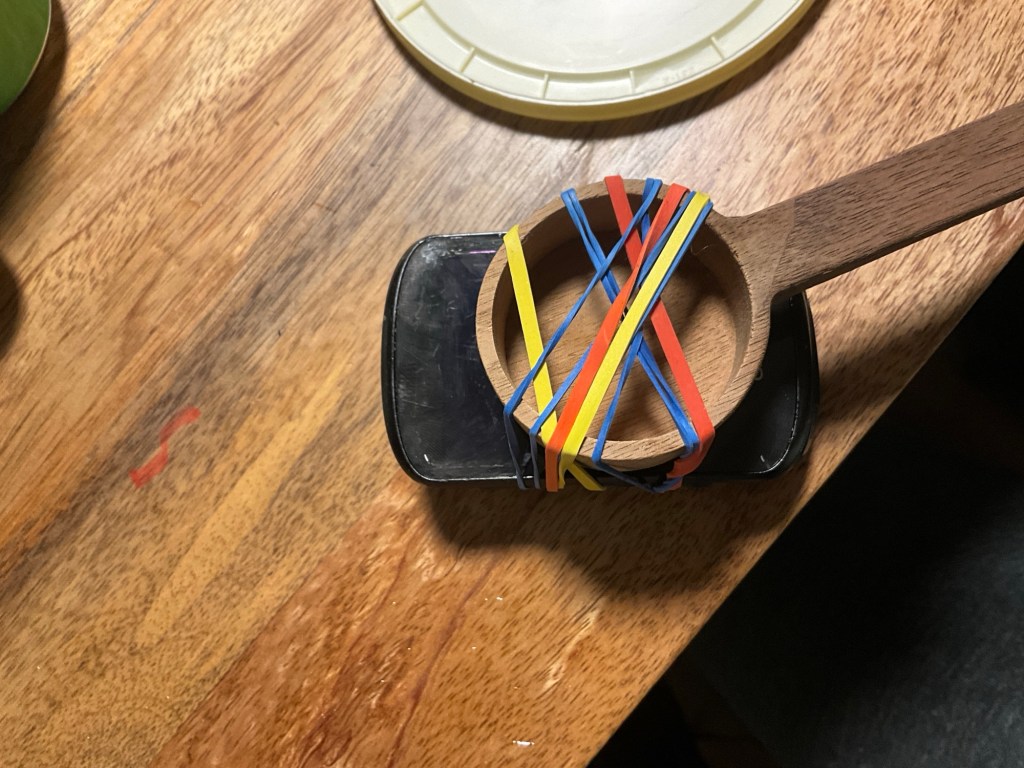
Used what there was lying around to press the screen in place while the epoxy hardens.
The screen started to become unbonded. Started at the top and worked it’s way down until the whole boarder was unglued.
Carefully pried the screen off, being sure not to damage the flat flex cable at the bottom.
Cleaned the boarder and underside of screen with an alcohol sponge.
Prepared the epoxy and carefully applied a light bead on the inside ledge of the case. Then, after pressing the screen back in, wiped down any excess epoxy while it was still soft.
Used what there was lying around to press the screen in place while the epoxy hardens.
Winters in Korea are harsh. Snow and slush, ice salts, and sub-zero temperatures that constantly leave extremities on the verge of going numb. With all the muck and debris, fenders save the day. They help keep the splatter at bay.
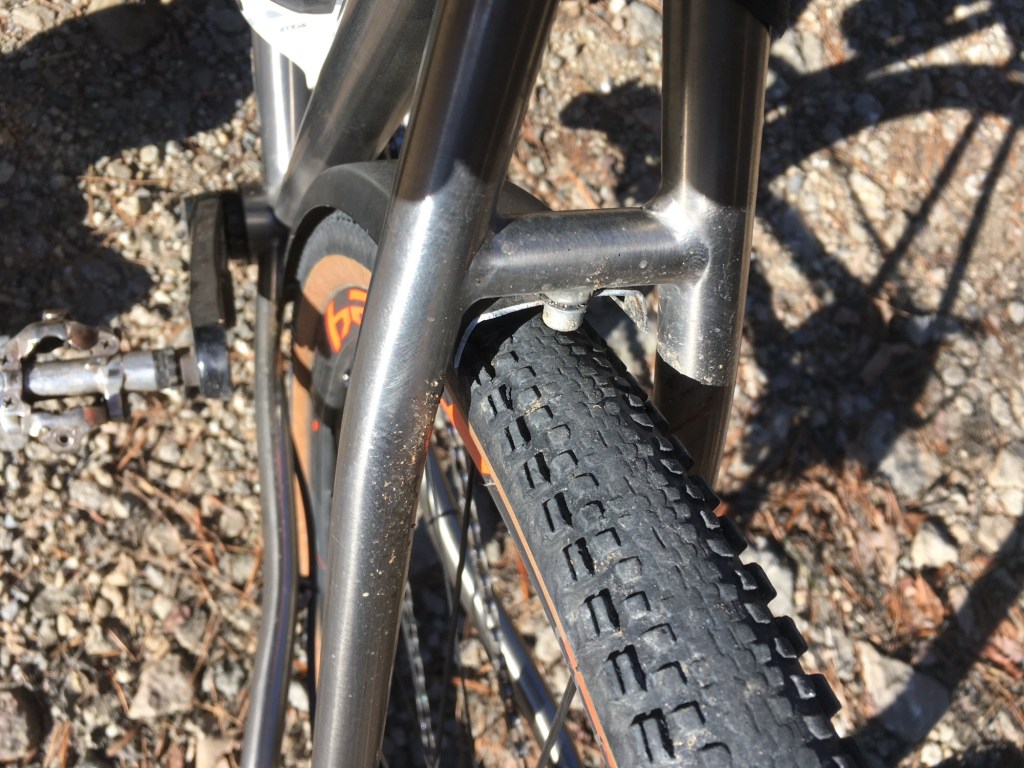
While on a weekend country-road gravel ride outside of Seoul, the rear fender experienced a ductile fatigue failure, splitting cleanly at the bolt mount on the underside of the seat stay bridge. I tried to salvage the broken section since it had the mounting bar and bracket attached. But over the course of the ride it became too cumbersome and was ditched in a garbage can. The half fender was born.
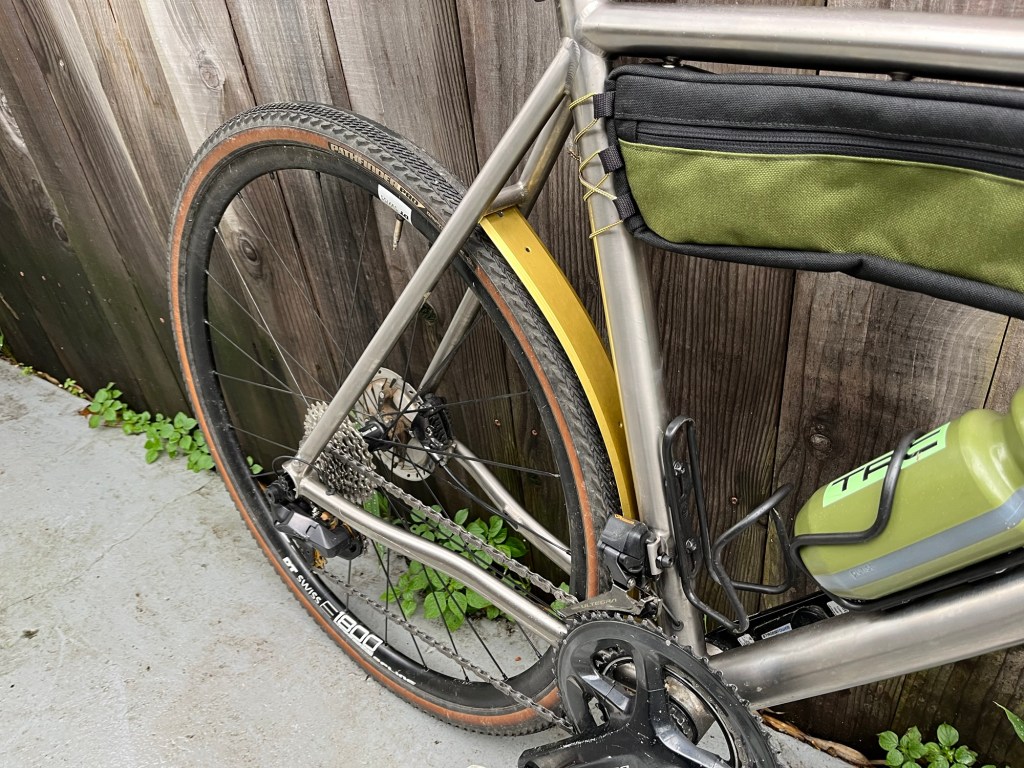
The half fender is easier to mount than a full fender since it only requires two 5mm bolts, one at the chain stay and one at the seat stay bridge. It helps keep the frame cleaner around the bottom bracket and seat tube. Without a fender, this area can easily get dirty with it being so close to the rear wheel. This section is also more difficult to clean with all the small voids around the front derailleur (FD) and if there is a FD clamp.
The half fender doesn’t do a lot in terms of protecting the rider from poopoo splatter and debris, but it does keep the bike cleaner and maintenance down.
Unlike the SKS fender, the gold fender doesn’t have the same cross section to help contain flying debris. The gold fender is just a flat piece of aluminum. This was a repurposed aluminum strip that was originally a doorway seam binder. It is thin and easy to cut and bend, also, gold.
For future or alternative designs, I would consider extending the bottom section of the fender below the seat stay bridge to offer more protection around the bottom bracket.
Disc brakes are great when riding in adverse conditions and offer stronger and more responsive braking control than rim brakes. However, the brake system is more difficult to install, adjust, and harder to maintain. One key aspect of having well working disc brakes is having pistons that articulate smoothly.
Doing a deep cleaning is a sure way to keep the pistons and caliper clean. To this end, a short burst from an air compressor after a ride doesn’t require any disassembly and removes a lot of brake dust, preventing dust buildup and prolonging the time needed before a deep clean.








 Zacksunsang